September 19, 2026
KYC vs KYB: What's the Difference? KYC verifies a person; KYB verifies a business and its owners. See how KYC and KYB differ, how they work together, and when you need each in onboarding.
Compliance insights, product updates, and industry analysis from the Zyphe team.

No articles match your search
KYC verifies a person; KYB verifies a business and its owners. See how KYC and KYB differ, how they work together, and when you need each in onboarding.
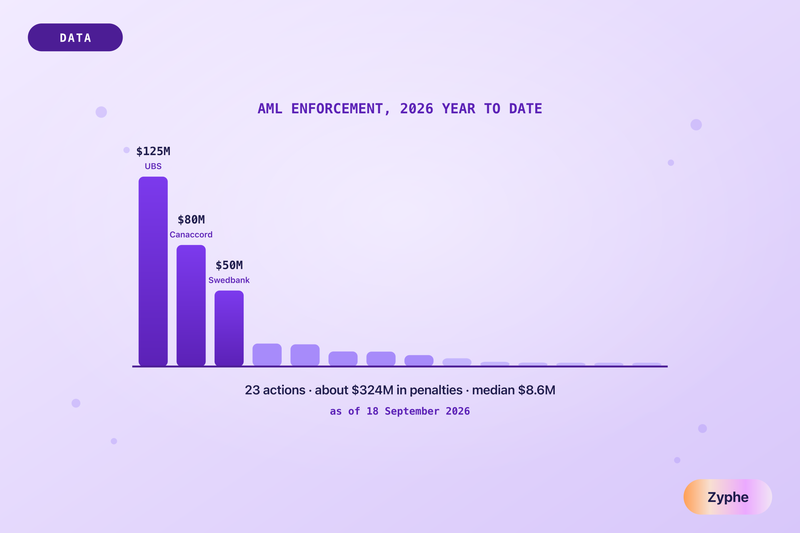
AML enforcement in 2026 so far, from Zyphe's open dataset: 23 actions, about $324 million in penalties, three fines carrying 79 percent, and what repeats.
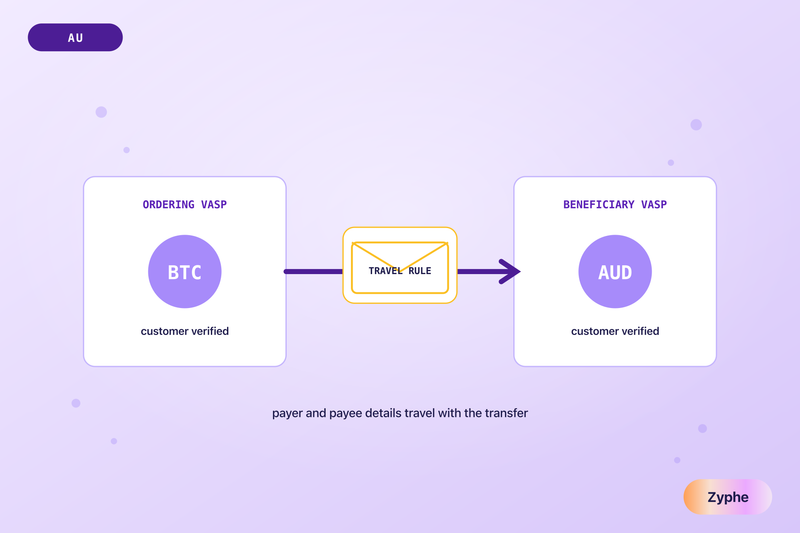
What an Australian crypto exchange must do under the AML/CTF Act after the virtual asset reforms: registration, designated services, CDD and the travel rule.
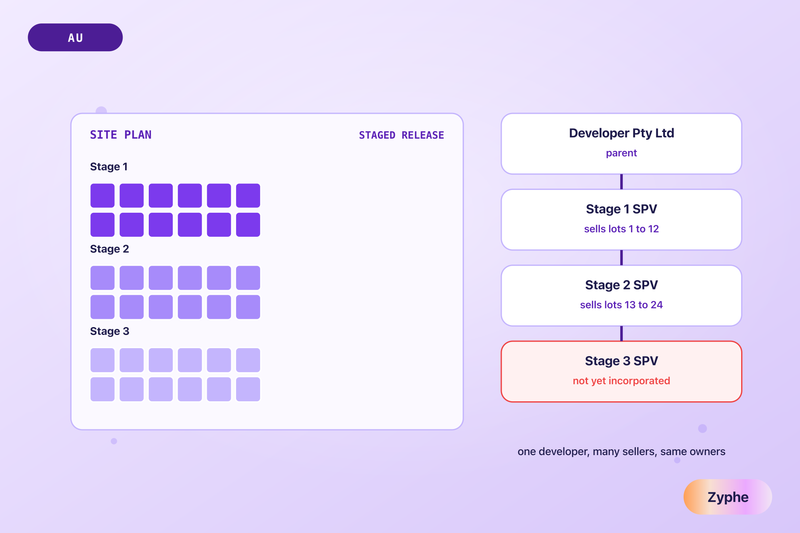
How Australia's AML/CTF Act applies to a developer selling through an SPV in staged releases: the reporting entity, the SPV's owners, bulk purchaser CDD.
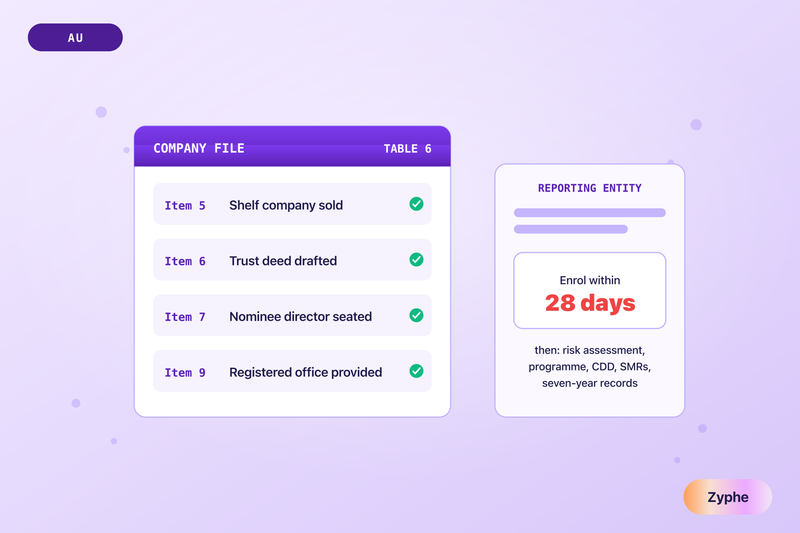
What a trust and company service provider must do under Australia's AML/CTF Act from 1 July 2026: designated services, enrolment, CDD, ECDD and reporting.
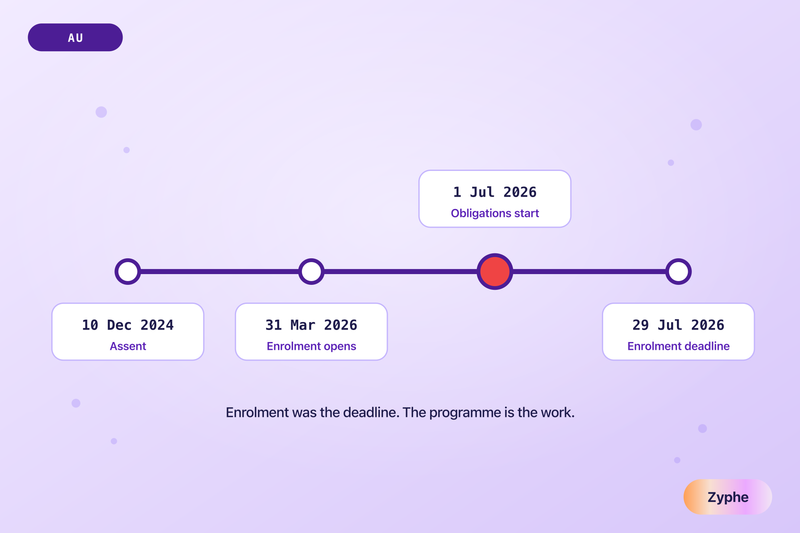
AUSTRAC tranche 2 explained: who is caught, the enrolment deadline, the AML/CTF programme and CDD duties, and what the Act actually changed from 1 July 2026.
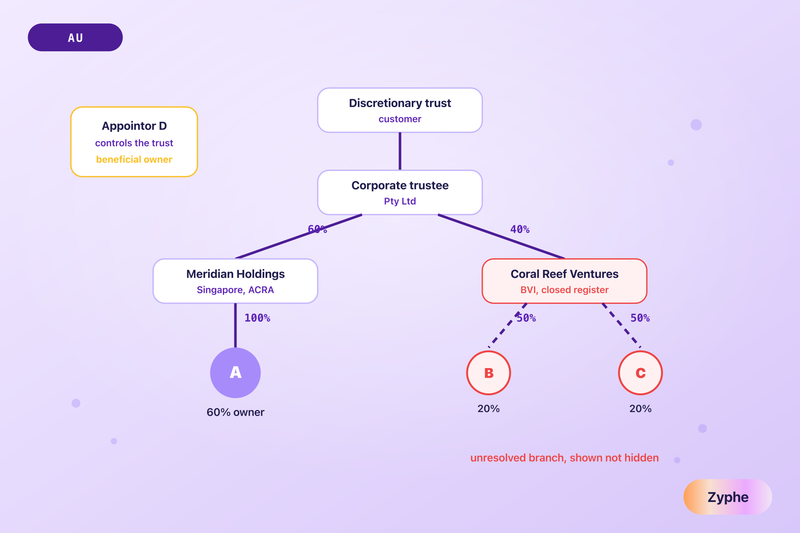
How to verify every beneficial owner behind a layered trust with offshore owners under Australia's AML/CTF Act: who counts, evidence, ECDD triggers, example.
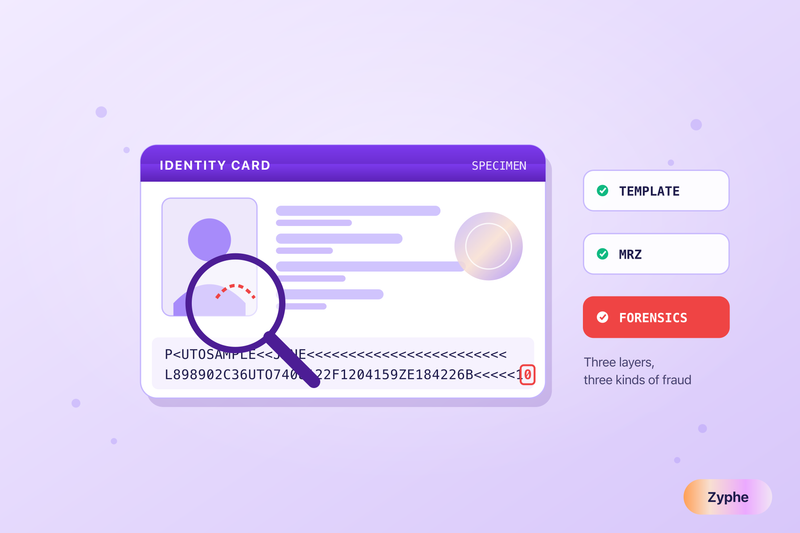
Document detection is the automated analysis of an identity document to confirm it is genuine and unaltered. It checks the document against known templates, validates security features such as holograms and microprint, reads and cross-checks the machine-readable zone, detects digital tampering in the image, and confirms the data matches the customer’s other records.
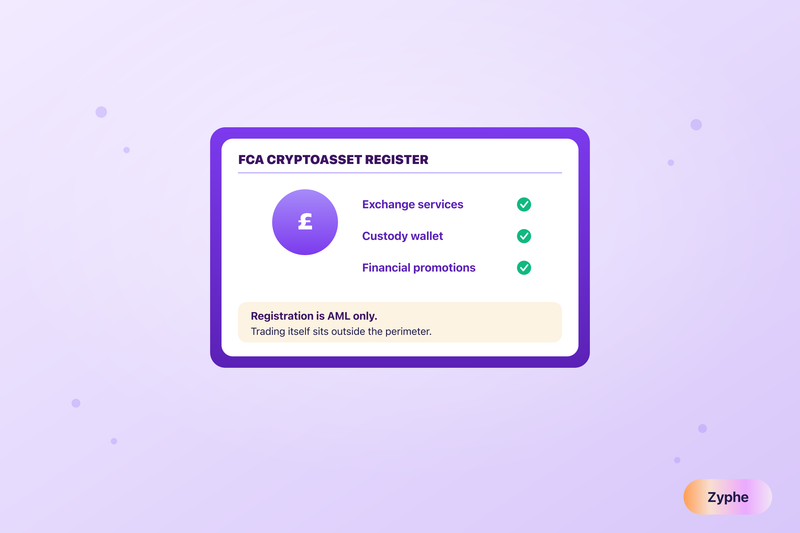
Is cryptoasset trading regulated in the UK? Yes, and full FCA authorization lands in 2027. Get the timeline, rules, and KYC/AML duties for crypto firms.
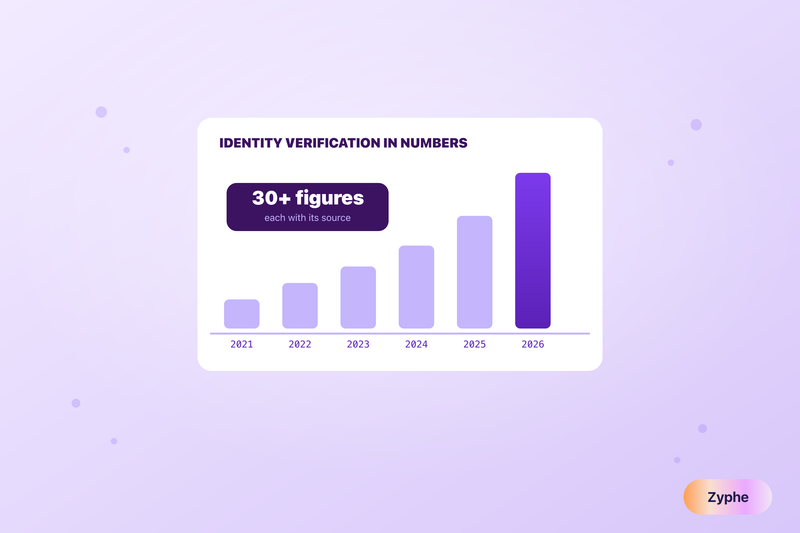
30+ sourced identity verification statistics for 2026: identity fraud losses, deepfake attacks, KYC costs, onboarding drop-off, and AML fines.
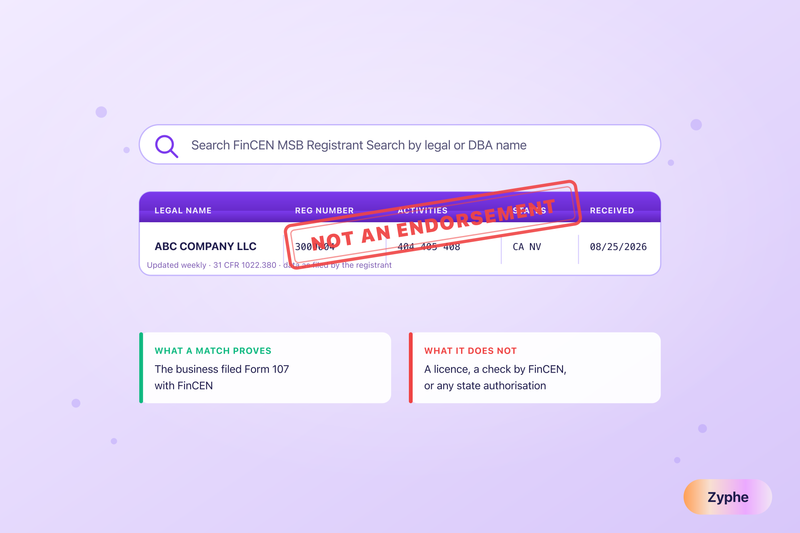
Search FinCEN's MSB Registrant Search to confirm a business registered as an MSB, read the result correctly, and learn what registration does not prove.
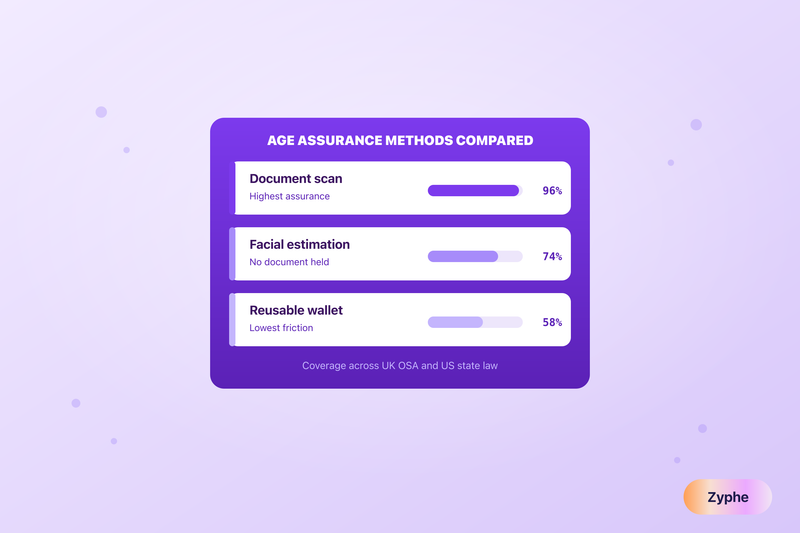
Compare the 8 best age verification services of 2026: methods, UK OSA and US state-law coverage, and per-use-case picks for adult, gaming, and social.
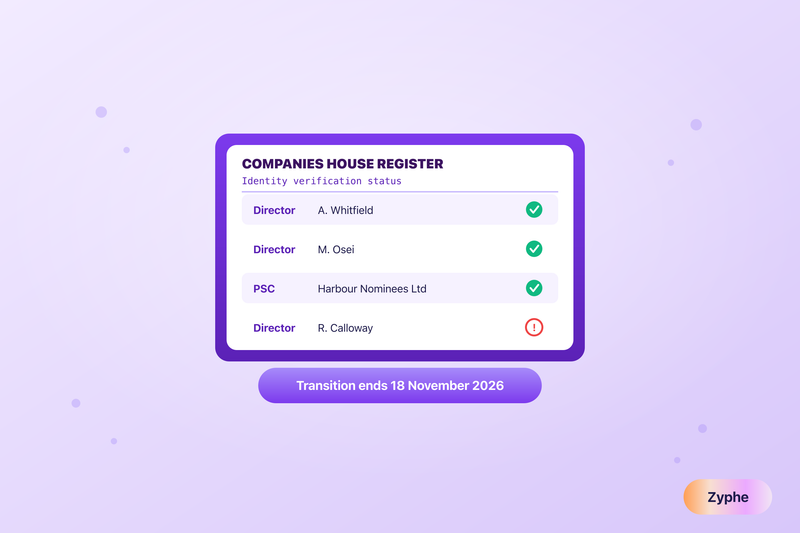
ECCTA makes Companies House identity verification mandatory for UK directors and PSCs by 18 November 2026. See deadlines, penalties, and how ACSPs work.

KYB providers verify business customers and their owners. Compare registry access, UBO depth and coverage in 2026, after the US beneficial ownership shift.

KYC drop-off quietly kills onboarding conversion. Here's a practical, step-by-step playbook to reduce KYC drop-off without ever weakening your compliance.

One customer, several products, one audit trail. See how neobanks run perpetual CDD under FFIEC and EU AML rules, and who owns liability in a BaaS stack.

Healthcare identity spans prescriber, patient and age-gated users. See how NPI/DEA checks, EPCS two-factor, and HIPAA-aligned handling fit a 2026 playbook.
Centralized identity databases are breach honeypots. See how decentralized PII storage shards encrypted data so no single node ever holds a full record.

Ooki DAO set the precedent that token holders can be personally liable. Here's what FATF, the CFTC and MiCA require from DAO governance, treasury and grants.

Online casino KYC across MGA, UKGC, AGCO and ADM sets four different bars. See what each regulator requires and where operators lose deposits at onboarding.

Can you run KYC without storing passports? Yes. Here's the difference between keeping a passport scan and keeping verification evidence, and how to do it.

Most of a sanctions screening budget clears noise. See where false positives originate, why name-match tuning is the wrong fix, and what OFAC expects.
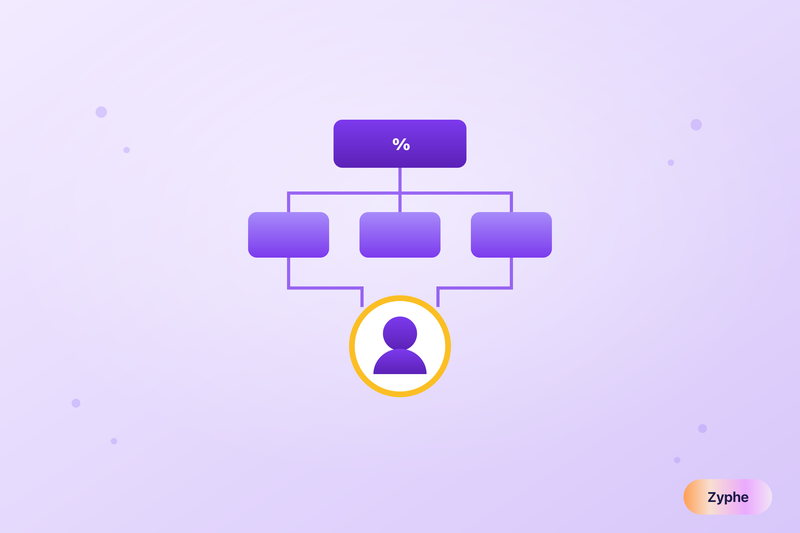
Beneficial ownership chains took days. See how AI UBO mapping resolves four-tier graphs across registries, scores confidence per edge, and meets FATF Rec 24.
TD Bank paid about $3 billion in 2024 for AML failures, with most volume unmonitored. Here's the scope gap, and what every bank should audit this quarter.

Most compliance stacks are six vendors and a diagram. Here's how to build an audit-ready compliance stack from onboarding through to SAR filing, end to end.

Launching across US states? iGaming KYC diverges by regulator. Here's the playbook for one customer base, 21-plus age, geolocation and multi-state onboarding.

Binance paid over $4.3B in 2023 and its CEO pleaded guilty. Here are five compliance architecture lessons every crypto exchange and VASP should act on now.
The EU's 2024 AML package reshapes compliance with a single rulebook and a new authority. Here's what AMLD6, the AML Regulation and AMLA require, and when.
Does zero-knowledge KYC satisfy MiCA, FATF and AMLA? An evenhanded look at where ZK proofs fit, where retention duties remain, and what actually works today.

NYDFS fined Nordea $35M in 2024 for correspondent-banking AML failures. See what FATF, FFIEC and Wolfsberg's CBDDQ require, and the gaps Nordea exposed.

Source of funds and source of wealth differ, and regulators treat them differently. Here's what the FCA, FinCEN and FATF require, and what documentation counts.
Bank Secrecy Act reporting thresholds for 2026: the CTR and SAR dollar triggers, filing deadlines, the five pillars, who must comply, and BSA penalties.
Weighing Persona alternatives? See how Zyphe vs Persona compares on data storage, reusable credentials, pricing and configurability, and which fits best.
The UK Online Safety Act's age-check duties are live and Ofcom-enforced. Here's who must comply and what highly effective age assurance really means now.
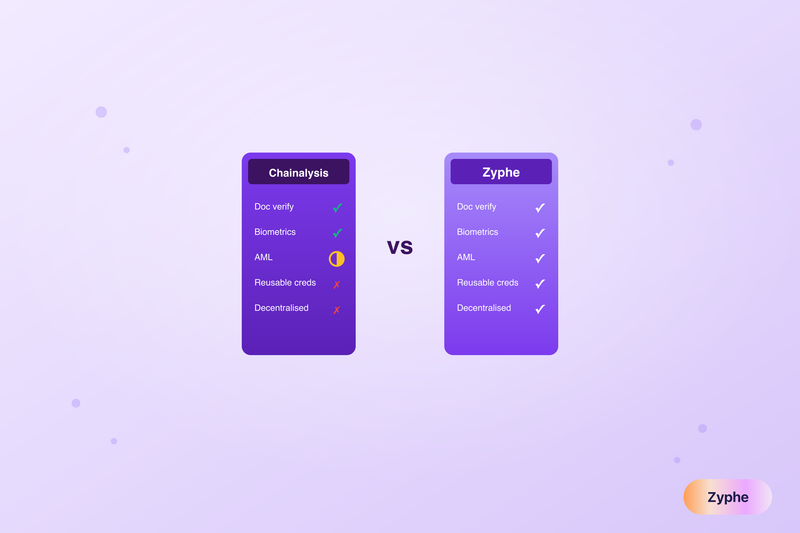
Comparing crypto compliance software? See how on-chain analytics (Chainalysis, Elliptic, TRM Labs) and KYC layers (Sumsub, Zyphe) fit a 2026 compliance stack.

The Corporate Transparency Act changed dramatically in 2025. See who must report beneficial ownership to FinCEN now, after domestic companies were exempted.
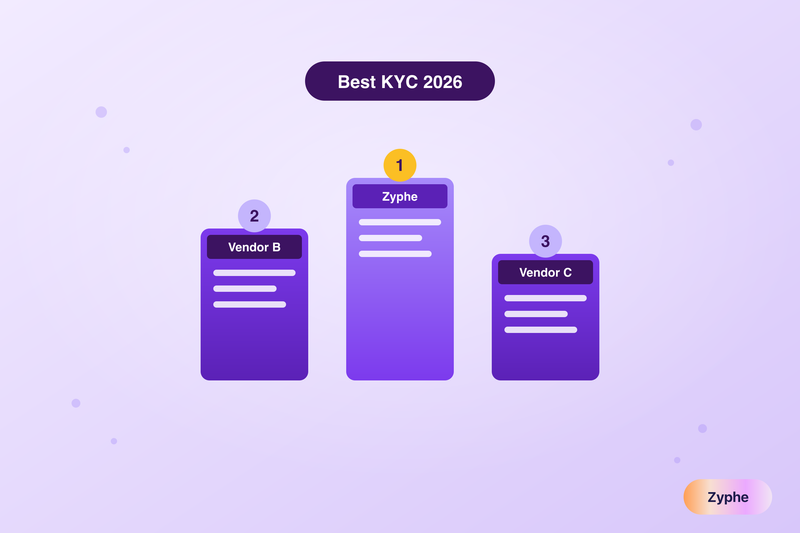
The best KYC software of 2026, ranked. Compare Sumsub, Persona, Veriff, Zyphe and 6 more on pricing, coverage, and data privacy — then pick by use case.
The best AU10TIX alternatives in 2026, compared on data architecture, reusable credentials and migration effort, plus a five-step playbook for switching.
Compare the best Fourthline alternatives for 2026: why European teams switch, how Zyphe, Sumsub, Onfido, Veriff and Jumio stack up, plus a migration plan.
iDenfy is an SMB favourite for accessible KYC, but applicant documents still sit in a vendor cloud. Compare the best iDenfy alternatives for 2026, honestly.
Compare the best IDnow alternatives for 2026: why teams move beyond VideoIdent, how Zyphe removes the vendor-held PII store, and how to migrate without risk.
Why teams look beyond Incode's biometrics-led platform in 2026: the best Incode alternatives compared, plus a five-step migration playbook without disruption.
Comparing Ondato alternatives in 2026? See how Zyphe, Sumsub, Veriff and Onfido differ on data architecture and GDPR exposure, plus a five-step migration plan.
Persona alternatives compared for 2026: what the Discord age verification episode revealed, how Zyphe, Sumsub, Onfido and Veriff differ, and how to migrate.
Regula gives you document forensics SDKs; you still own orchestration, review and data custody. Compare the best Regula alternatives for 2026, Zyphe first.
Shufti Pro alternatives for 2026: why teams outgrow the centralised vendor cloud, how Zyphe, Onfido, Jumio and Persona compare, and how to switch without risk.
Comparing Signicat alternatives in 2026? See how Zyphe and other vendors compare on eID coverage, data architecture and migration, with an honest guide.
Socure alternatives for 2026 compared honestly: where US data-network risk scoring still wins, where document-based verification fits better, and how to switch.
Yoti leads age assurance, but compliance teams need full KYC, KYB and AML coverage. Compare the best Yoti alternatives for 2026, including privacy-first Zyphe.
Age verification methods, the 2026 laws (UK Online Safety Act, SCOTUS, EU Wallet) and how to verify age online without storing a single ID. Privacy-first.
How PATRIOT Act Section 326 created the Customer Identification Program, the CIP rule behind modern KYC, FinCEN's role, and who must comply with it in 2026.
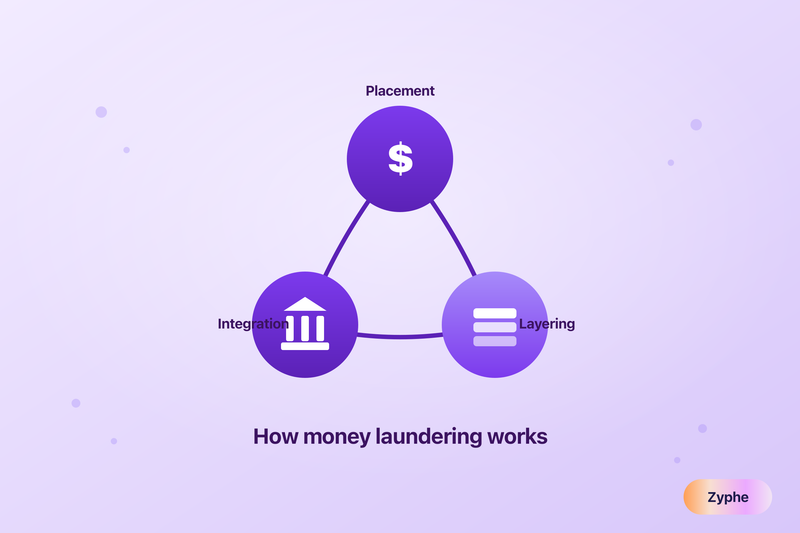
How money laundering is detected in 2026: placement, layering and integration, plus examples, penalties, and AML controls that skip a central data store.
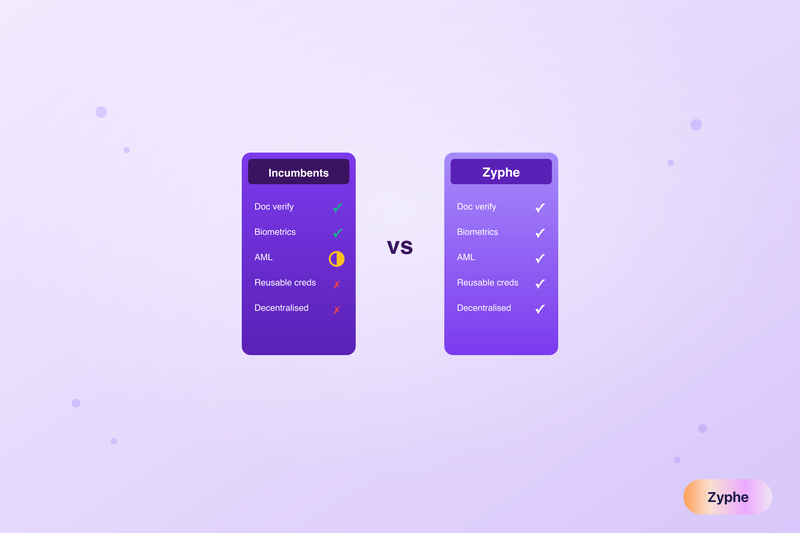
Which identity verification vendors are truly privacy-first? Compare decentralized, data-minimizing IDV options on storage, reusable credentials and residency.
KYC verifies a customer's identity; AML is the wider framework that prevents money laundering. See how KYC and AML relate, and why KYC sits inside AML.

SR 11-7, NYDFS and the EU AI Act all touch compliance AI. Here's the validation checklist, the audit pack regulators ask for, and how to govern a vendor model.

Deepfake injection attacks are rising. See how deepfake detection works in KYC: passive versus active liveness, and why active is now an attack surface.

Fraud detection software spots and stops fraud across identity, payments and accounts. See how it works, the main types, and how to evaluate a solution in 2026.
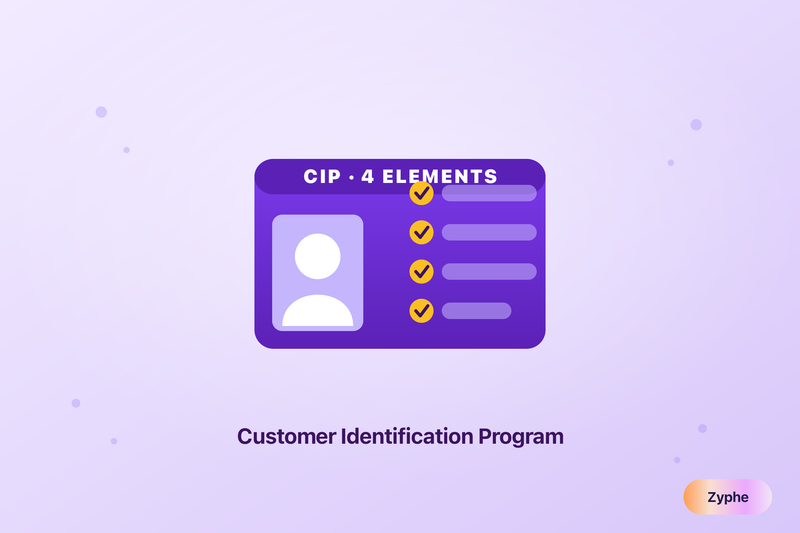
A customer identification program is the CIP banks run under 31 CFR 1020.220. The 4 elements, required data, documentary vs non-documentary verification, 2026.
How to register as an MSB with FinCEN: file Form 107 via BSA E-Filing inside 180 days, renew biennially, and build the four-pillar AML program every MSB needs.

What are the KYB requirements? See the documents, the UBO thresholds, the US, EU and UK rules, and a practical KYB compliance checklist for onboarding.

Is this company legit? Learn how to find out if a company is legit with 7 practical checks, from registry lookups to beneficial owners and red flags.
KYB onboarding verifies a business and its owners at sign-up. See the steps, why it's harder than individual onboarding, and how to cut friction, not checks.

Annual KYC reviews are a paper-era residue. See what FFIEC, the FCA and the EU AML framework actually require, and the cost of perpetual versus periodic.
How KYC API pricing works, what drives the cost, and how to integrate one. A developer's guide to pricing models, hidden fees, and going live in under a day.

FATF treats PEPs as categories, not a binary, and most vendors flatten them. Here's the 2026 playbook for tiers, decay windows, RCAs and what regulators expect.
KYB verification confirms a business is real and reveals who really owns it. See what it checks, how automation works, and what to look for in a KYB solution.

Keyword adverse-media screening hits 70%+ false positives. See how AI adverse media screening reads full articles, disambiguates entities, and clears PEP hits.

Compliance as a service moves KYC, AML and monitoring to a managed, API-delivered model. Here's what CaaS covers, the trade-offs, and how to evaluate it.
Enhanced due diligence is a documented chain from trigger to decision. Here's the six-step EDD workflow regulators expect and how to make it audit-ready.
How a bank account validation service works: validation vs verification, the four methods, real costs, the Nacha WEB debit rule and choosing a provider in 2026.
Sanctions screening explained: how it works, the OFAC, UN, EU and UK lists, false positives, sanctions vs PEP, and how to screen in 2026 without storing PII.
A continuously updated KYC breach tracker logging every major identity verification provider incident: Persona, Sumsub, IDmerit, AU10TIX and Veriff, with dates.
How document verification works step by step, why retained ID images are a breach honeypot, and how to verify a document without storing it under GDPR and NIST.
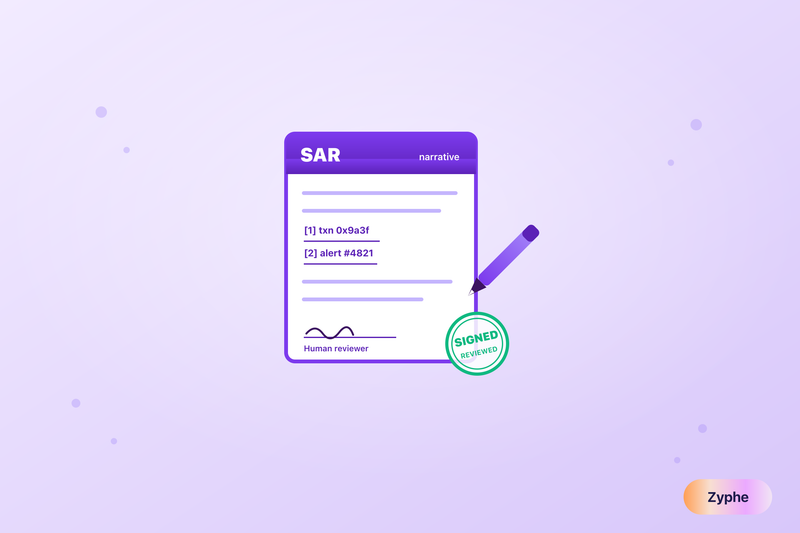
Can AI write SAR narratives FinCEN will accept? What US, UK and EU regulators say about AI in BSA reporting, and how AI SAR drafting grounds every claim.
What is fullz? How fraudsters use stolen identity packages and synthetic IDs to beat KYC in 2026, what they cost on the dark web, and how to stop the fraud.
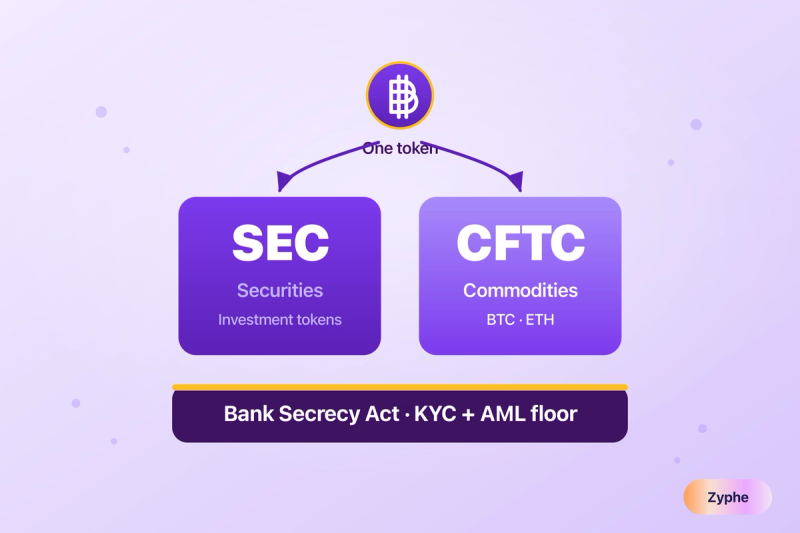
The CLARITY Act makes crypto exchanges Bank Secrecy Act institutions. A 2026 guide to its KYC and AML requirements, the SEC and CFTC split, and Senate status.
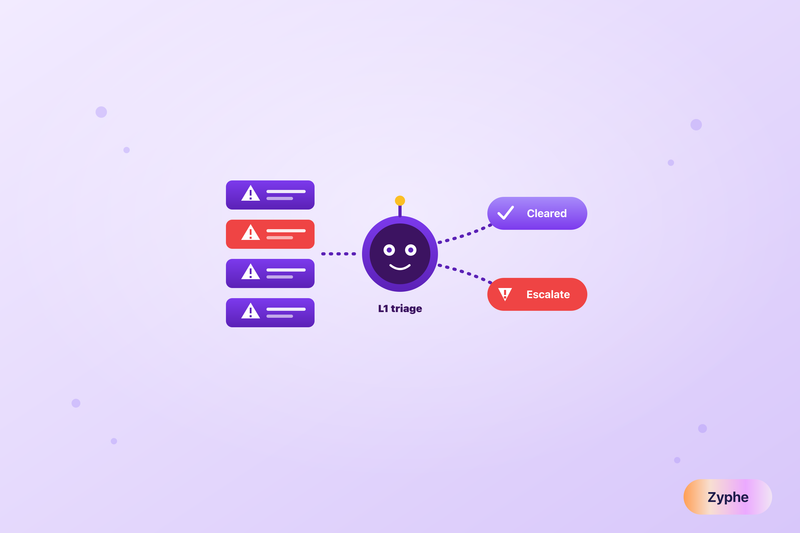
Sanctions and PEP false positives drain most alert budgets. See how AI alert triage clears L1 in seconds, what regulators accept, and Starling's £29M FCA fine.
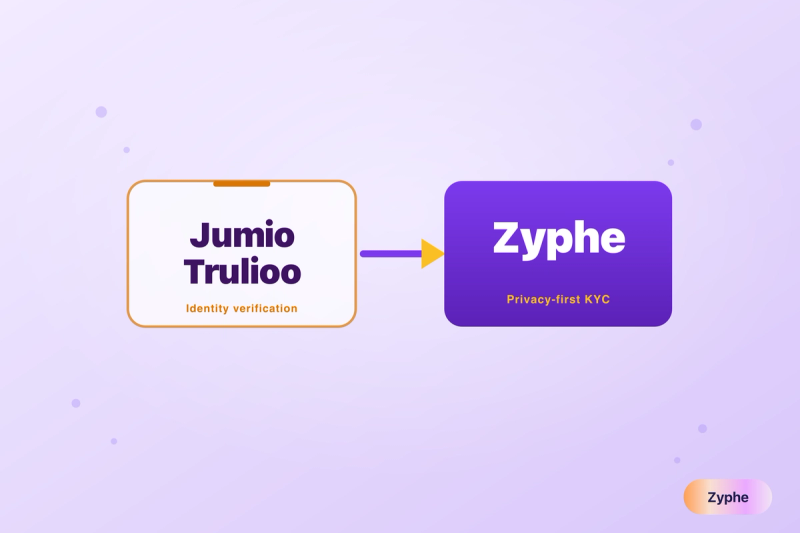
Looking for Jumio or Trulioo alternatives? Compare Jumio, Trulioo, Onfido, Sumsub and privacy-first Zyphe on data storage, reusable credentials and pricing.
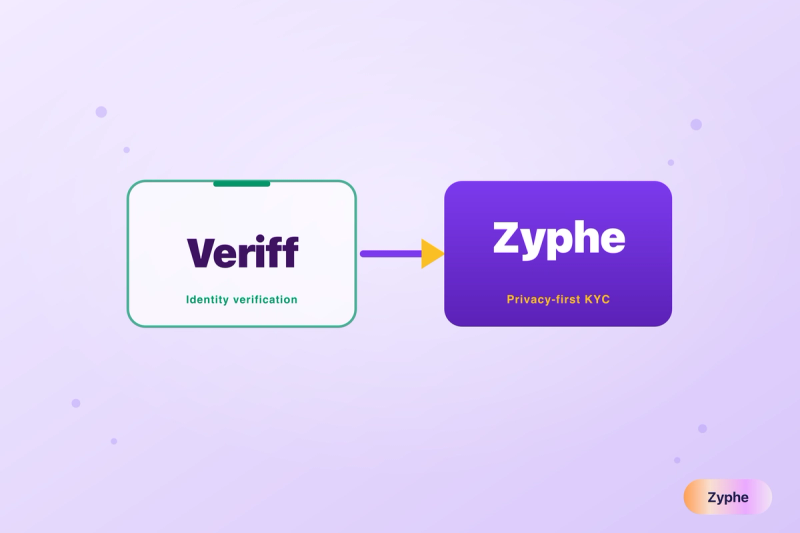
Looking for Veriff alternatives? Compare Veriff, Sumsub, Onfido and the privacy-first option Zyphe on data storage, reusable credentials, pricing and coverage.
AI compliance agents run L1 triage, EDD, UBO mapping and KYB refresh with reasoning AI inside Unit21, Jira and Salesforce, with audit trails regulators accept.

Building a fintech? KYC compliance isn't a blocker, it's a product layer. Here's what early-stage startups need (and don't need) to build from day one.

Buying AML software without fixing your onboarding layer is a compliance gap waiting to happen. Here's the framework for evaluating AML platforms in 2026.
Onfido is now Entrust IDV. See what Onfido verification is, the best Onfido alternatives in 2026, and how Zyphe's decentralized, privacy-first model compares.
The EU Digital Identity Wallet goes live by end of 2026. Most KYC tools cannot handle wallet-based credentials. Here's what eIDAS 2.0 means for your onboarding.
Looking for Sumsub alternatives? Compare Sumsub, Onfido, Veriff, Persona and privacy-first Zyphe on data storage, reusable credentials, pricing and coverage.
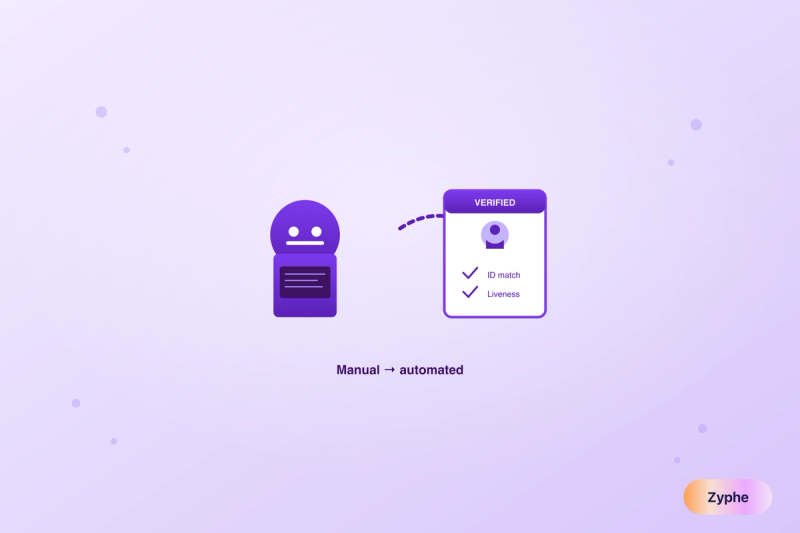
Manual KYC costs 10x more and has a higher error rate. Learn what to automate, what to keep human, and how to build an audit-ready hybrid compliance workflow.

Centralised KYC vendors are honeypots. The Sumsub breach went 18 months undetected. Here's how to assess your vendor's architecture and the alternative that.
Crypto exchange compliance isn't just collecting IDs. Here's how to build a tiered KYC onboarding flow that satisfies MiCA, FinCEN, and FCA without killing.

The FATF Travel Rule applies to every VASP above $1,000. This guide covers what originators and beneficiaries must transmit, and how to build a compliant KYC.
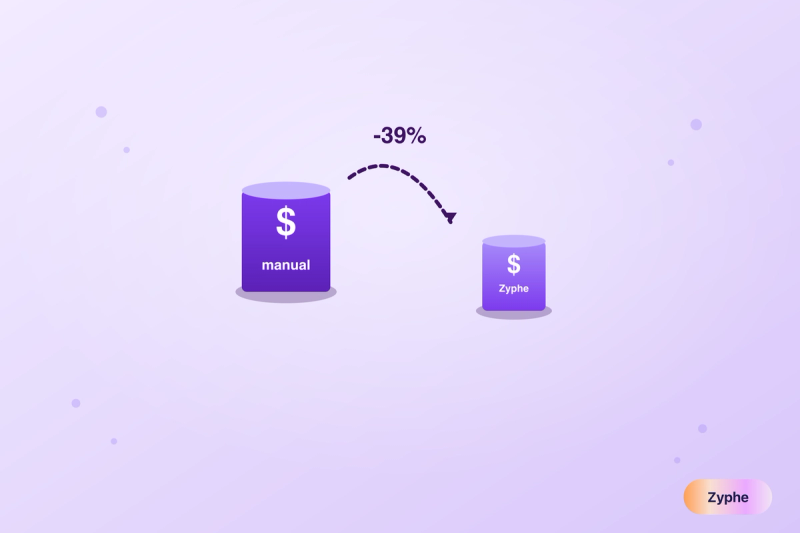
KYC cost reduction restructures verification spend. See the six cost lines and how reusable credentials cut 39% from a 1,000-checks/month stack.
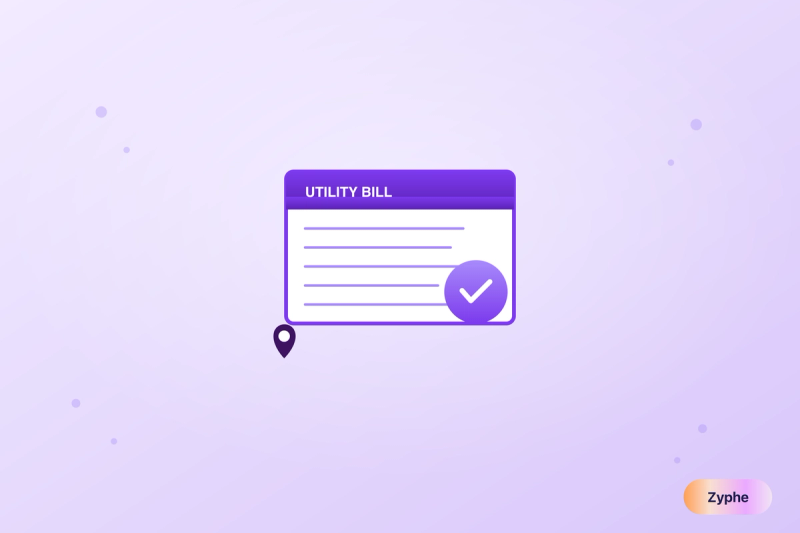
Proof of address verification confirms a customer lives where they claim. Learn what regulators accept and how to automate POA.

Volume thresholds are not an AML transaction monitoring program. Regulators expect typology coverage, identity-linked alerts, and audit-ready logs.
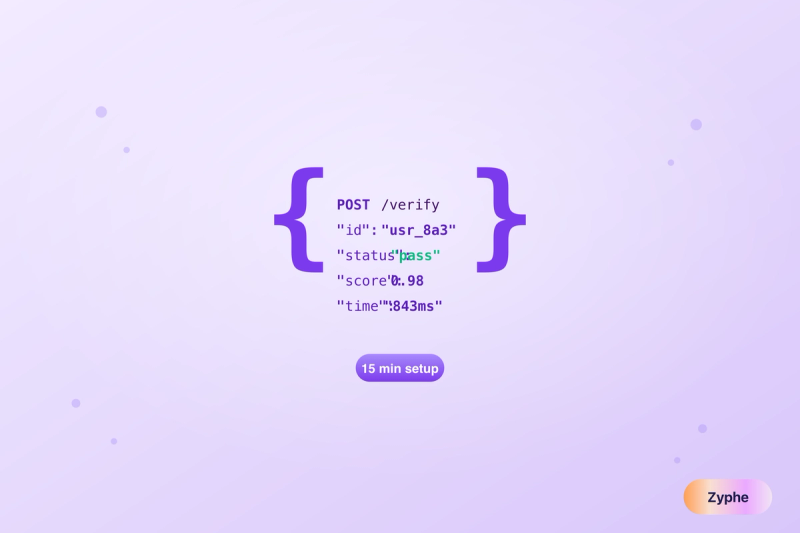
KYC API integration done right ships in 15 minutes: REST, signed webhooks, pre-built UI, sandbox on sign-up. No compliance expertise required.

Decentralised KYC keeps verification compliant under GDPR, MiCA and CCPA without storing the breach surface. The architecture, in 12 minutes.
KYC web3 for DeFi: zero-knowledge proofs, decentralised credentials, 15-minute integration. Stay MiCA + FATF compliant without storing user PII.
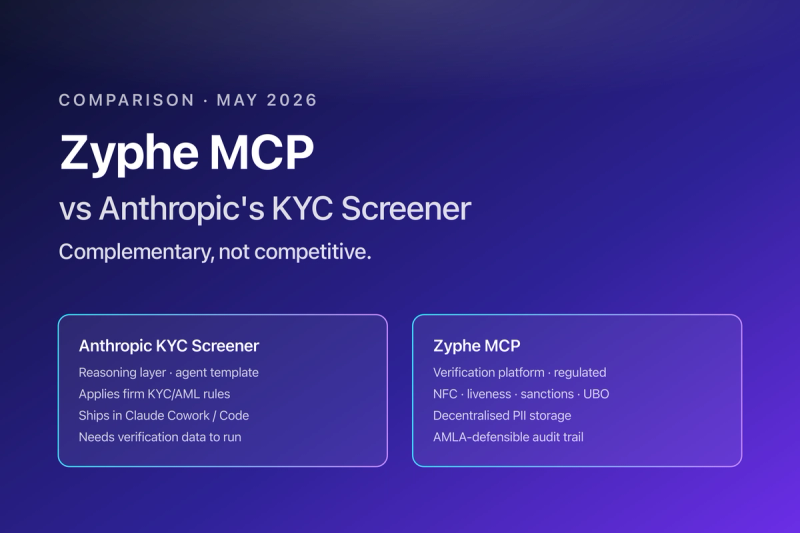
Anthropic's KYC Screener is an agent template. Zyphe MCP is the platform under it. Complementary, not competitive — side-by-side breakdown.

Perpetual KYC turns one-time onboarding into a continuous risk view. TD Bank's $1.3B fine, FATF and 6AMLD expectations, and what to fix first.
Discover all the MiCA KYC requirements in 2026, including a full checklist of what crypto firms need to check before it's too late.

KYC onboarding drop-off costs fintechs millions. Five root causes, step-by-step fixes, and how reusable credentials cut abandonment.

The PRA fined Bank of London Group £2m for integrity failings. Here's why compliance teams need automated audit trails now.

UK banking fines, EU GDPR transparency sweeps, AML enforcement in legal services — what compliance enforcement 2026 means for regulated fintechs.

25 EU regulators are running coordinated GDPR transparency enforcement. If your KYC flow has a generic privacy policy, you have a problem.

The SRA fined Ranson Houghton LLP for AML failures. Enforcement is expanding beyond banks with AI-driven monitoring planned. What to do now.

IDMerit left 1 billion identity records in an unprotected database. Why the breach was inevitable and what a structural fix looks like.
Every EU member state must deploy a compliant EUDI Wallet by Dec 31, 2026. What fintechs must do now and why Zyphe is already aligned.

Adverse media screening is the process of checking customers against negative news sources, reports of fraud, money laundering, corruption, sanctions breaches or organised crime, to surface risk that standard identity checks miss. Regulators expect it as part of a risk-based AML programme, performed at onboarding and monitored continuously thereafter.
Four real incidents reveal how supply chain attacks, BPO compromises, and 2FA bypass are reshaping fintech compliance in 2026. Audit Now.

From IDMerit's 1B record exposure to Aura's ironic breach, 2026's data disasters share one root cause: centralized PII storage.

Sumsub breach went undetected for 18 months. What compliance teams need to ask about their KYC provider and the alternative that eliminates the risk.

Persona's leaked dashboard exposed 269 hidden checks & 3-year data retention—a stark warning about centralised KYC risk.

VASP KYC compliance under MiCA: how to pass the audit without holding customer PII. The sharded architecture regulators now accept.
Crypto KYC compliance is the obligation of exchanges, custodians and other virtual asset service providers to identify and verify their customers, screen them against sanctions and PEP lists, and monitor them under anti-money-laundering law. It is required by FATF Recommendation 15, by MiCA and the EU Transfer of Funds Regulation, by the US Bank Secrecy Act and by the UK Money Laundering Regulations.

Automated compliance reporting and the data-retention risk nobody names. SAR, CTR, and audit trails without becoming the next breach.
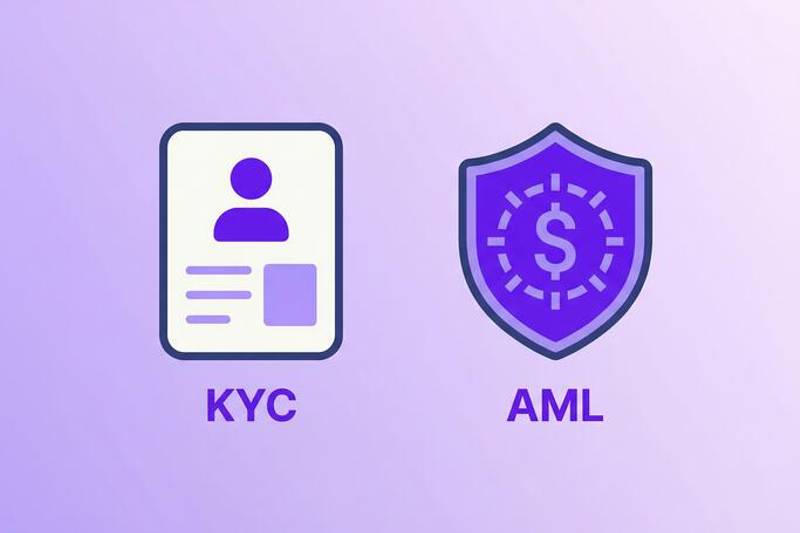
KYC vs AML in 2026: fines showing how each fails differently, the operational distinction, and what to fix first.

Zyphe vs Sumsub: Compare decentralized and traditional KYC architectures. Learn why data minimization, reusable credentials, and privacy-first matter.

The key objectives of KYC: identity verification, risk assessment, ongoing monitoring, and full reporting. A complete guide for all the businesses.

KYC failure killed Bittrex, BitMEX, and cost Cash App $160M. Three founder decisions behind every shutdown — and how to avoid each.

Is KYC safe in 2026? Not centralised. The IDmerit breach exposed 1B records. The math behind sharded KYC and the attack-surface gap.

Master the KYC onboarding process with our ultimate guide. Learn identity verification, compliance best practices, and how to reduce abandonment.

Complete CIP Compliance Checklist: customer verification, record-keeping, OFAC screening & notice. Complete checklist & best practices for banks

Terrorism-financing screening for financial institutions: where most CFT programmes break down and the architectural fix that closes the gap.

Enhanced due diligence (EDD) is the deeper set of AML checks applied to higher-risk customers. On top of standard customer due diligence, EDD requires establishing source of funds and source of wealth, identifying beneficial owners, screening for politically exposed persons and adverse media, obtaining senior management approval, and monitoring the relationship more closely.

Complete guide to Customer Due Diligence for fintech companies. Learn CDD requirements, implementation, and how to scale compliance programs.
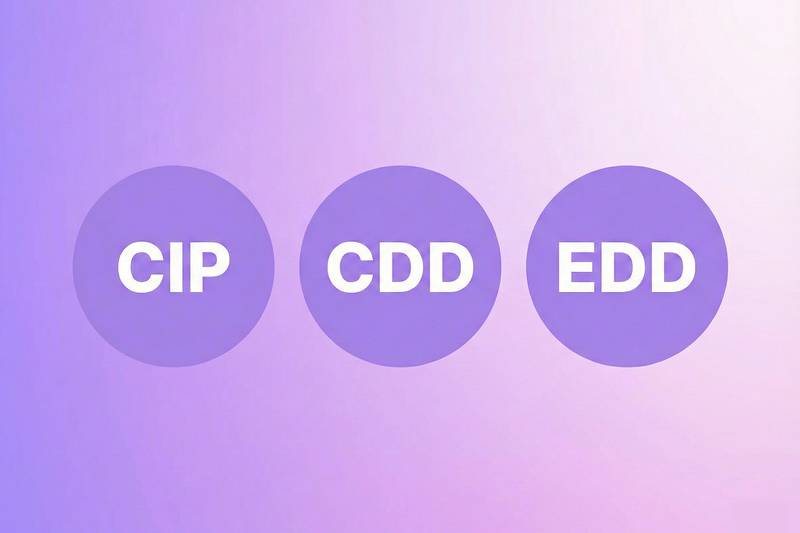
CIP vs CDD vs EDD: Learn the differences between these three pillars of customer verification and when to apply each for AML compliance success.

Decentralized KYC cost analysis 2026: real numbers on infrastructure, audit, and compliance savings versus centralised vendors.
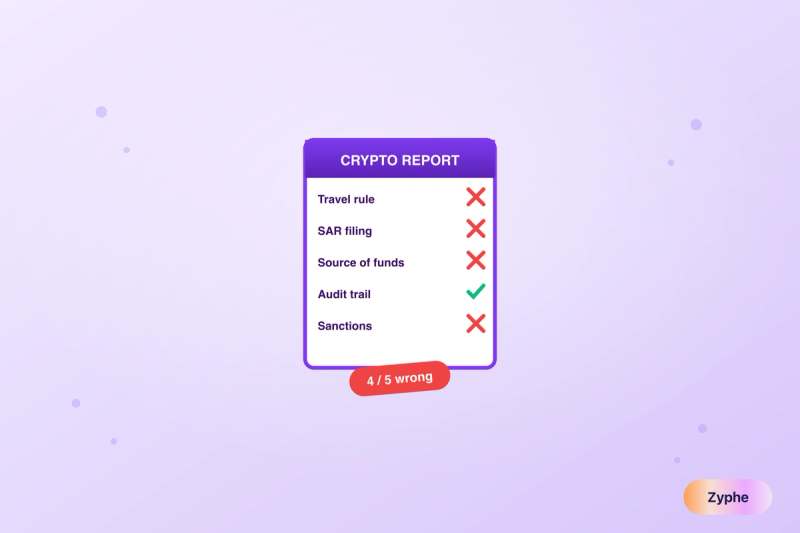
BitMEX lost $100M over compliance reports, not fraud. Your crypto business is one documentation gap away from the same fate. Here's what to fix.
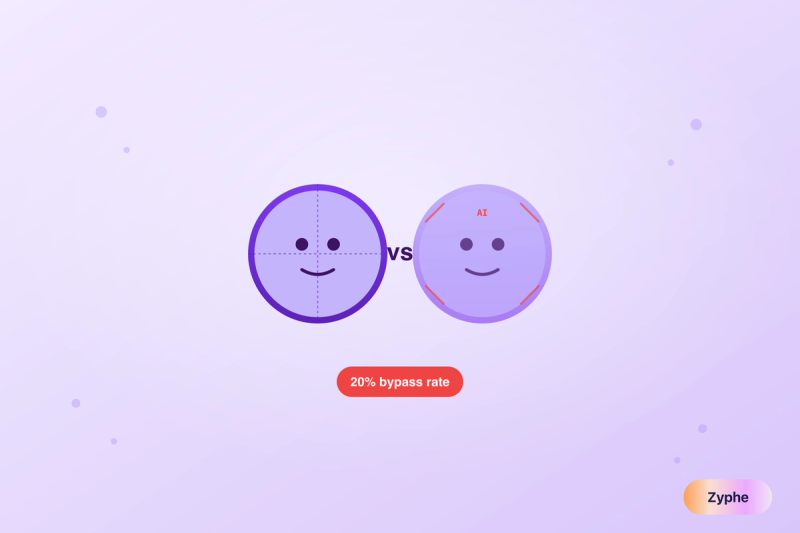
AI-generated deepfakes are bypassing KYC for under $20. Learn the three attack vectors targeting your platform and detection methods working in 2025.

MiCA enforcement and new regulations are forcing Web3 startups to choose: comply or shut down. Discover the privacy-first approach that lets you scale
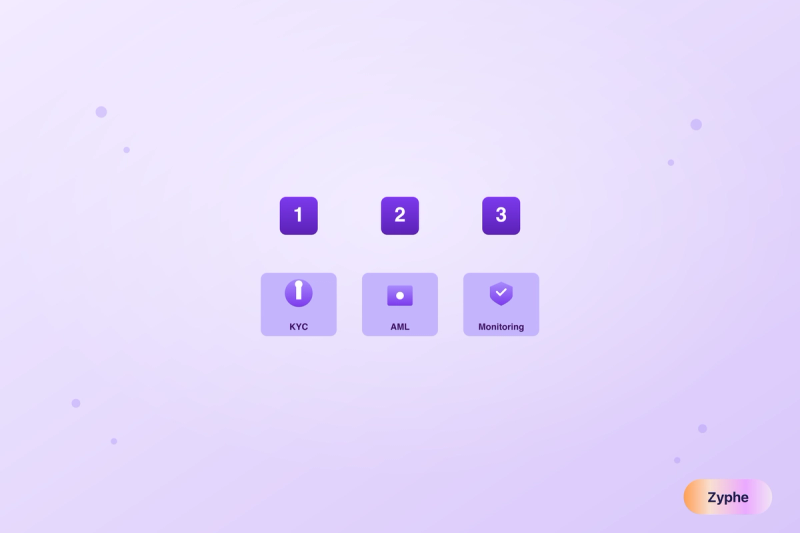
Crypto compliance tools 2026: how to evaluate vendors on architecture, retention, breach history, and Travel Rule readiness — not just price.
The privacy coin dilemma in 2026: where Zyphe draws the line between user privacy and regulator audit. The architecture and policy.
Synthetic identity fraud in 2026: how AI-generated fake IDs bypass legacy KYC and what NFC + liveness + sharded storage stop cold.

A KYC Passport is a reusable identity credential: a person completes identity verification once, holds the signed result in their own encrypted vault, and presents it to other services that accept it, with consent and disclosing only the attributes each service needs. The service receives confirmation and the attributes it asked for, not the documents, and Zyphe keeps no central copy.

Compliance monitoring requires continuous screening, transaction analysis, and recertification. Build sustainable AML programs for crypto operations.

Build compliant Web3 regulatory frameworks that satisfy regulators while preserving decentralization. Privacy-first KYC/AML solutions for crypto proje

Risk assessment for crypto compliance in 2026: the model regulators expect and the numbers behind every shutdown that began with a weak score.

Discover how to build robust KYC for Web3 platforms. Address pseudonymity, multi-chain identity, and privacy challenges with practical compliance solu

Master Web3 compliance across jurisdictions. Design regulatory-ready architecture with decentralized KYC, AML tools, and data governance solutions.

AML strategy for crypto exchanges in 2026: the playbook that survives MiCA, FinCEN, and FATF Travel Rule audits without holding PII.

How Zyphe solves the DeFi KYC paradox: regulator-grade verification with no centralised PII honeypot. Architecture and trade-offs.

DAO regulatory compliance in 2026: KYC and audit trails without centralising governance. The architecture that satisfies regulators.
Understand KYC fraud risks in crypto markets. Learn detection methods, legal implications, and compliance best practices.

Analyze the 2025 Coinbase breach affecting 69K+ users. Learn financial impact, security lessons, and prevention strategies.

2026 state of digital ID verification: what the IDmerit and Sumsub breaches changed, what regulators now expect, and what the data shows.

Protect your business from data leaks with expert guidance. Discover key risks and practical steps for digital security.

A zero-knowledge proof in KYC lets a customer prove a fact about their identity, that they are over 18, resident in the EU, or not on a sanctions list, without revealing the underlying data, such as their date of birth, address or document. The verifier gets a cryptographic proof it can check, and the personal data stays with the person.
Celebrate Zyphe's strategic partnership with Spendbase. Learn how we're advancing decentralized identity solutions together.
Navigate 2025's AML compliance landscape with expert insights on new regulations, technology solutions, and risk management strategies.

How Zyphe implements DIDs for compliant Web3 identity: verifiable credentials, sharded storage, and regulator-readable audit trails.

Trace identity verification evolution from paper to privacy-first digital solutions. See how decentralization transforms trust.

KYC vs KYB explained: clear definitions, a side-by-side table, which one your business actually needs, and why KYB quietly multiplies the PII you hold in 2026.